
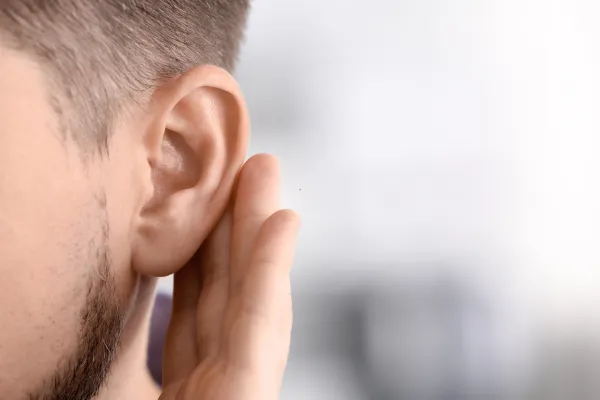
People Keep Asking Me to Repeat Myself – What It Really Means
People Keep Asking Me to Repeat Myself – What It Really Means
Have you noticed people asking you to repeat yourself more often?
Maybe someone says:
“Sorry… what did you say?”
“Can you say that again?”
“I didn’t quite catch that.”
At first, it might seem like a small problem. But over time, it can feel frustrating, embarrassing, and exhausting.
You may start to avoid conversations.
You may speak less in groups.
You might even stop answering the phone.
If this sounds familiar, you are not alone. Many adults experience changes in speech clarity after a neurological condition.
The good news is that help is available.
Why Is My Speech Becoming Unclear?
Speech requires many parts of the body to work together.
Your brain must control:
Your lips
Your tongue
Your jaw
Your breathing
Your voice
When the brain or nerves are affected by illness or injury, speech can change.
Common neurological conditions that affect speech include:
Stroke
Parkinson’s disease
Brain injury
Multiple sclerosis
Motor neurone disease
These conditions can weaken or slow down the muscles used for speech.
This can make words sound:
Slurred
Quiet
Mumbled
Slow
Hard to understand
A common condition linked to these speech changes is called dysarthria.
What Is Dysarthria?
Dysarthria is a speech problem caused by weakness or poor control of the muscles used for speaking.
It does not mean you don’t know what you want to say.
Many people with dysarthria say:
“The words are in my head, but they don’t come out clearly.”
“People think I’m mumbling.”
“My voice sounds weaker than it used to.”
Speech may become harder to understand because:
The voice becomes too quiet
Words become slurred
Speech becomes too fast or too slow
Breathing for speech becomes difficult
When this happens, communication can feel tiring and stressful.
How Speech Changes Can Affect Everyday Life
Speech difficulties can affect many parts of life.
You might notice problems when:
Talking on the phone
Speaking in busy places
Ordering food in a café
Chatting with friends
Joining family conversations
Some people begin to feel:
Embarrassed about speaking
Frustrated repeating themselves
Nervous in social situations
Less confident communicating
Over time, some people start avoiding conversations altogether.
This can lead to social isolation, which can affect mood and confidence.
But these changes do not mean communication is lost.
Speech can improve with the right support.
How Speech Therapy for Adults Can Help
Many people do not realise that speech therapy for adults can improve speech clarity.
Speech therapy focuses on helping the brain and muscles work together more effectively.
A speech therapist may help by working on:
1. Strengthening Speech Muscles
Exercises can help improve control of the lips, tongue, and breathing.
This can make speech clearer and stronger.
2. Improving Voice Strength
Some neurological conditions make the voice softer.
Therapy helps people learn how to use their voice more effectively so others can hear them.
3. Slowing Speech Down
When speech becomes rushed, words can sound blurred together.
Learning pacing strategies can make speech easier to understand.
4. Clear Speech Techniques
Small changes in how words are spoken can make a big difference.
These techniques help improve speech clarity.
5. Building Confidence
Speech therapy is not just about exercises.
It also helps people feel more confident speaking in everyday situations like:
Social conversations
Phone calls
Shops and restaurants
Family gatherings
When Should You Seek Help?
If people are asking you to repeat yourself often, it may be worth getting support.
Signs that speech therapy may help include:
People frequently saying “what?” or “pardon?”
Speech sounding slurred or mumbled
Voice becoming quieter
Talking feeling more tiring
Avoiding conversations because speech feels difficult
Early support can make a big difference.
Speech changes often improve when they are addressed sooner.
You Don’t Have to Struggle With Communication
Speech difficulties can feel frustrating. But many people see real improvements with the right support.
Clear communication helps people:
Stay connected with family and friends
Feel confident in conversations
Maintain independence
Enjoy social activities again
If you or a loved one is struggling to be understood, support is available.
Speech therapy can help improve speech clarity and make communication easier again.
Need support with speech clarity or dysarthria?
The team at Speech & Language Therapy Clinic provides specialist support for adults experiencing communication difficulties after neurological conditions.
Reach out today to learn how speech therapy can help you communicate with confidence again.